
Perimenopause, Mental Health & Performance: When Your Mind and Body Start Speaking a Different Language
By Katya Galea, Sports & Exercise Psychology Practitioner
Menopause is a significant transition in a woman's life, but it doesn't mean giving up the activities you love. With the right knowledge and an approach tailored to your needs, you can continue to build strength, support your health and embrace this next chapter.
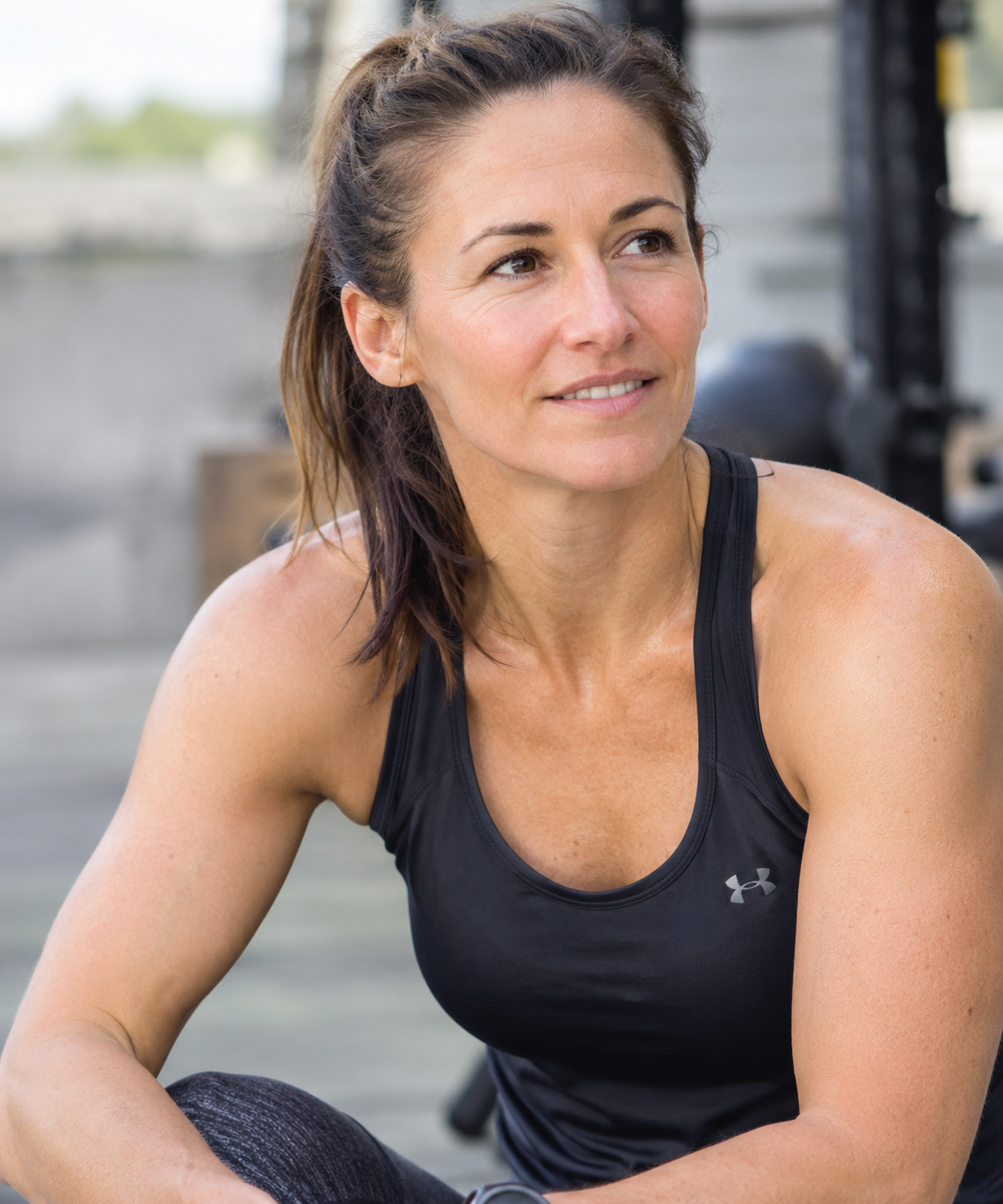
Menopause: A new chapter, not the end of the road
For many women, the transition into perimenopause and menopause can bring physical and emotional changes that feel confusing, frustrating or difficult to manage. Yet the experience of menopause is not always well understood, even within healthcare.
A 2019 study of 177 resident physicians in family medicine, internal medicine, and obstetrics and gynaecology found that 20% had received no lectures on menopause during their training, while fewer than 7% felt prepared to manage care for women through menopause.
When women feel overlooked or misunderstood, limited awareness of the wide range of symptoms associated with perimenopause and menopause may be part of the problem
But here's an important message: your body may change from your 40s onwards, but you don't have to give up the activities you love. With evidence-based strategies and a willingness to adapt, you can continue to pursue your fitness goals and invest in your long-term wellbeing.
Here are five ways to take a more active role in your health during this transition.
1. See menopause as a new chapter
Menopause doesn't have to represent an ending. It can be an opportunity to learn more about your body, rethink your priorities and build a new relationship with your health and fitness.
Understanding how hormonal fluctuations and metabolic changes affect your body and mind can help you make more informed decisions about your training and wellbeing.
Menopause does not need to stop you from performing in the gym, on the trail, in the saddle or wherever you train.
Instead, this stage of life can be an opportunity to adapt your approach to training and health.
The goal isn't necessarily to do everything exactly as you did before. It's to understand your changing needs and find ways to continue doing what matters to you.
2. Performance doesn't have to mean pushing harder
This is an important message for women who exercise or compete. Performance is not always about doing more. Sometimes performance means adapting.
It may mean:
prioritising recovery
adjusting training expectations
improving sleep
managing stress
strengthening psychological skills
paying attention to nutrition
recognising when fatigue is accumulating
changing how you define progress
The goal isn't to lower your standards. It is to develop a more intelligent relationship with performance. You are not necessarily becoming weaker. You may simply need a different strategy.
3. Make strength training a priority
Strength training deserves an important place in your weekly routine during menopause.
Research recommends incorporating low-repetition, high-intensity strength work to help counter muscle loss, support metabolism and improve bone density.
Preserving muscle is also important for long-term health and longevity.
If strength training is new to you, there's no need to rush. Start gradually, build confidence with the movements and increase the challenge as your experience and ability develop.
The message is simple: make strength a priority but approach it in a way that suits your current fitness and experience.
4. Adapt your nutrition to your changing needs
Nutrition is another area worth reviewing during menopause, particularly when your goals include maintaining muscle and supporting your health.
Prioritise protein
Various research articles recommend approximately one gram of protein per pound of current body weight, equivalent to around 2–2.2 grams per kilogram, to help preserve muscle and support metabolism.
However, individual protein requirements can vary according to factors such as activity level, overall diet and health status. This figure should therefore be understood as the recommendation made in the original article rather than a universal prescription for every woman.
Be thoughtful about intermittent fasting
Be cautious about automatically turning to intermittent fasting during menopause, suggesting that it may contribute to muscle loss and a slower metabolism.
The broader message is to think carefully about how dietary approaches fit your individual needs rather than assuming that a popular nutrition trend is necessarily right for you.
A personalised approach to nutrition can help you make decisions that support your training, recovery and overall wellbeing.
5. Personalise your approach to wellbeing
There is no single menopause experience. Symptoms and their impact can vary considerably from one woman to another.
This is why monitoring your own experience can be useful. Paying attention to changes in your symptoms, training, nutrition and daily functioning may help you identify areas where adjustments could be beneficial.
Symptoms may include:
Irregular menstrual cycles, including changes in timing, duration or bleeding.
Hot flushes and night sweats.
Changes in weight or body composition, including muscle loss and fat gain.
Sleep difficulties.
Mood changes, including depression, anxiety or anger.
Brain fog or forgetfulness.
Vaginal dryness.
Joint pain.
Headaches or migraines.
Tracking symptoms may help you recognise patterns and communicate more clearly with healthcare professionals.
If symptoms are persistent, distressing or affecting your everyday life, consider seeking medical advice rather than assuming you simply have to put up with them.
A psychological toolkit for navigating menopause
There isn't one solution that works for every woman. But there are psychological skills that can help.
1. Notice your thoughts
When something goes wrong, ask: “What am I telling myself about this?”
Is the thought: “I can't cope anymore.” or could it become: “I'm experiencing a difficult period and I need to adjust how I cope.”
2. Separate symptoms from identity
You may be experiencing brain fog. You are not “a forgetful person.”
You may be experiencing anxiety. You are not “an anxious person.”
You may be struggling with motivation. You are not “lazy.”
A symptom is an experience. It is not your identity.
3. Protect your recovery
Recovery isn't something you earn after working hard enough. It is part of performance. Sleep, rest, movement and psychological recovery are not signs of weakness. They are performance strategies.
4. Move your body—but listen to it
Exercise can be an important part of psychological wellbeing. But movement should support your body rather than become another source of pressure.
Ask yourself: “What does my body need today?”
Sometimes the answer is a challenging workout. Sometimes it is a walk. Sometimes it is recovery. Learning the difference is psychological skill.
5. Talk about it
Menopause can be isolating when everyone assumes you are simply “having a bad day”.
Talk to your partner. Talk to other women. Talk to your doctor. Talk to a psychologist.
Talk to someone who understands menopause.
You don't have to figure it out alone.
When should you seek professional help?
Not every change in mood is a sign of a mental-health disorder, but persistent or severe symptoms deserve attention. Consider seeking professional support if you are experiencing:
Persistent low mood
Significant anxiety
Panic symptoms
Loss of interest or enjoyment
Major sleep difficulties
Significant problems functioning at work or home
Persistent feelings of worthlessness or hopelessness
A substantial change in your relationships
Thoughts of self-harm or suicide
Menopause can coexist with depression or anxiety, and these conditions should be assessed and treated appropriately rather than automatically attributed to menopause. It brings change, but it doesn't mean that your health, fitness or ambitions have to come to a standstill.
By viewing this transition as a new chapter, prioritising strength training, exploring suitable exercise options, adapting your nutrition and paying attention to your individual needs, you can take a more active role in your wellbeing and performance.
This isn't the beginning of the end. It's the start of your next level.
