
At 16 She Walked Away. At 20 She Won Olympic Gold.
By Matthew Portelli, Sport Psychology Practitioner
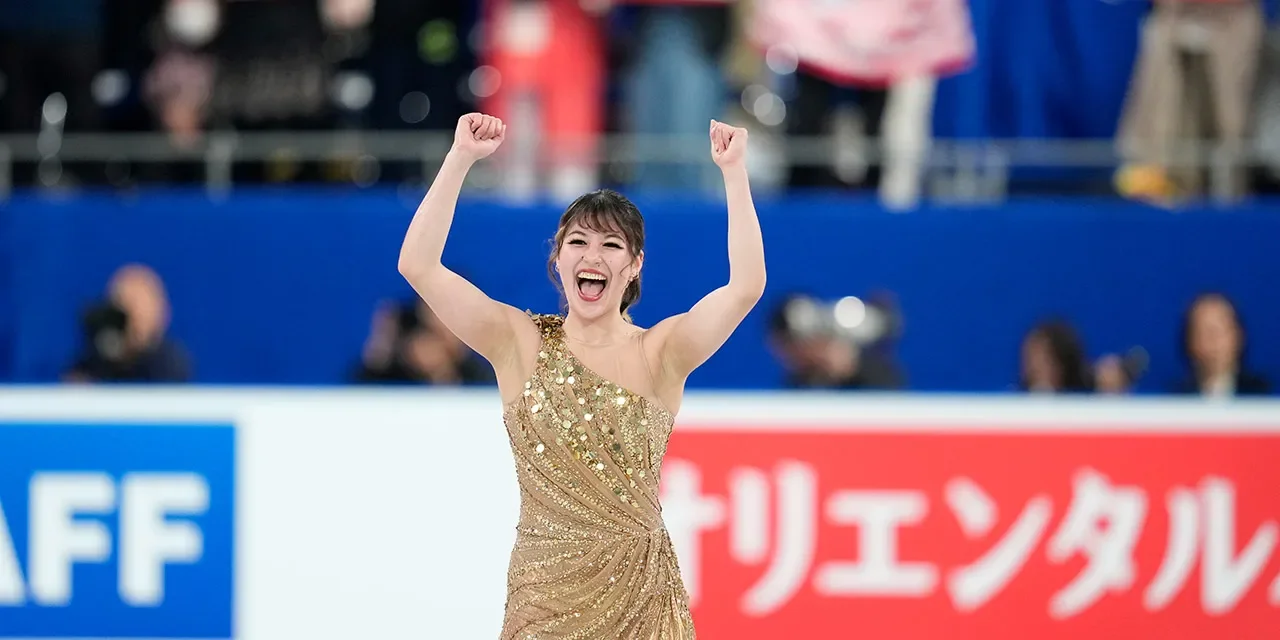
When Alysa Liu retired at 16 after competing at the 2022 Winter Olympics, many were shocked. She had been labelled a prodigy, the future of U.S. women’s skating. Yet, at an age when most athletes are progressing through their careers, she stepped away. Four years later, at the 2026 Winter Olympics, she returned and won Olympic gold.
From a sport psychology perspective, this isn’t just a comeback story. It’s a powerful lesson in sustainable high performance. Liu’s journey highlights something we often overlook in elite sport: talent alone is not enough. Psychological alignment matters.
At 16 She Walked Away. At 20 She Won Olympic Gold.
Burnout is often a signal that an athlete’s basic psychological needs are not being met. According to Self-Determination Theory, long-term motivation depends on autonomy, competence and connection. Elite athletes usually have competence in abundance, but autonomy can quietly disappear within high-pressure systems.
When Liu stepped away, she did something psychologically powerful: she reclaimed choice. When she returned, it was on her terms. Athletes who compete because they want to, rather than because they feel they have to, tend to perform with greater freedom, resilience and enjoyment. Autonomy doesn’t just protect wellbeing, it enhances performance.
Early success can narrow identity. Young athletes can quickly become defined by one role: the performer. During her time away, Liu expanded her life beyond skating, reportedly enrolling in university and studying psychology. Developing interests outside sport can strengthen self-concept and reduce the fear that failure equals personal collapse. When athletes know they are more than their results, pressure shifts from threat to challenge. That shift changes everything, both emotionally and physiologically.
When Liu returned, observers noticed a different quality to her skating. It seemed more free, more expressive, and less burdened. That is often what autonomous motivation looks like.
High performance is most sustainable when it is self-directed, allowing athletes to access flow, creativity and composure under pressure. In Alysa Liu’s case, autonomy didn’t just protect her wellbeing. It won Olympic gold. At the 2026 Olympics, she wasn’t skating to protect a teenage reputation, she was skating as a young adult who had chosen to be there.
This distinction matters. Alysa Liu’s gold medal represents more than technical execution. It reflects psychological growth. Her story reminds us that sometimes stepping away is not quitting, it is recalibrating.
As practitioners, coaches and those shaping high-performance environments, her journey should prompt reflection: are we developing whole people, or just high performers?
The real lesson may not be that Alysa Liu came back stronger. It may be that sustainable excellence should never require an athlete to lose themselves in the first place.
Key Takeaways
Protect Autonomy Early
Athletes perform best when they feel ownership over their journey. Create environments where they have voice, choice and input, not just instructions. Motivation that is chosen lasts longer than motivation that is imposed.
Build Identity Beyond Sport
Encourage athletes to develop interests, education and relationships outside their sport. A broader identity reduces fear of failure and strengthens emotional resilience under pressure.
Sustainable Excellence Is Self-Directed
High performance is most powerful when it comes from alignment, not obligation. Athletes who compete because they want to, not because they feel they must, access greater freedom, creativity and composure on the biggest stages.
